Nature-based carbon project landscape
Carbon Project Feasibility

Assess before
you invest.

Bad feasibility work is costing developers certifications and investors capital. We have developed 149,000 certified credits in Africa and Central Asia. We assess projects the same way we build them.

Start assessment now How we work

Verra VCS · Gold Standard · Plan Vivo · Eligibility assessment from $500 · Full study from $7,500

Why this matters

The quality crisis in carbon markets starts at feasibility.

Three things the strongest buyers and certification bodies now know — and are testing for.

01

Most feasibility studies are built on the same flawed assumptions.

The voluntary carbon market has documented quality failures at scale — systematic overcrediting, projects that fail additionality tests years after certification, credits sold to major corporations that turned out to be worth significantly less than stated. In most cases, the problem started at the feasibility stage.

ERM / Thomson Reuters / Nature Communications

02

Corporate exposure from a failed project is not just financial.

KPMG's 2024 ESG due diligence study found that over 50% of investors who encountered material ESG findings faced a deal-stopper. For corporates associated with failed or challenged carbon projects, the reputational consequence extends well beyond the write-down.

KPMG Global ESG Due Diligence Study 2024

03

Rigorous methodology is now the differentiator, not the baseline.

The buyers and certification bodies that matter have raised their standards significantly. An assessment that would have passed scrutiny in 2020 will not pass it today. The team you commission needs to work to current standards — and to know from experience what those standards actually require in practice.

Verra VCS VM0047 / Gold Standard 2024 revisions

What we deliver

A 70+ page report you can take to investors and certification bodies.

If your project has real carbon potential, you need more than an estimate. Our full feasibility study documents every material factor — land, additionality, carbon potential, risk, financials — in a format built for the scrutiny it will face. Start with a $500 eligibility check. If it qualifies, we produce the full report.

Pricing and full scope
01
Eligibility Assessment

Confirm the opportunity exists before committing to it.

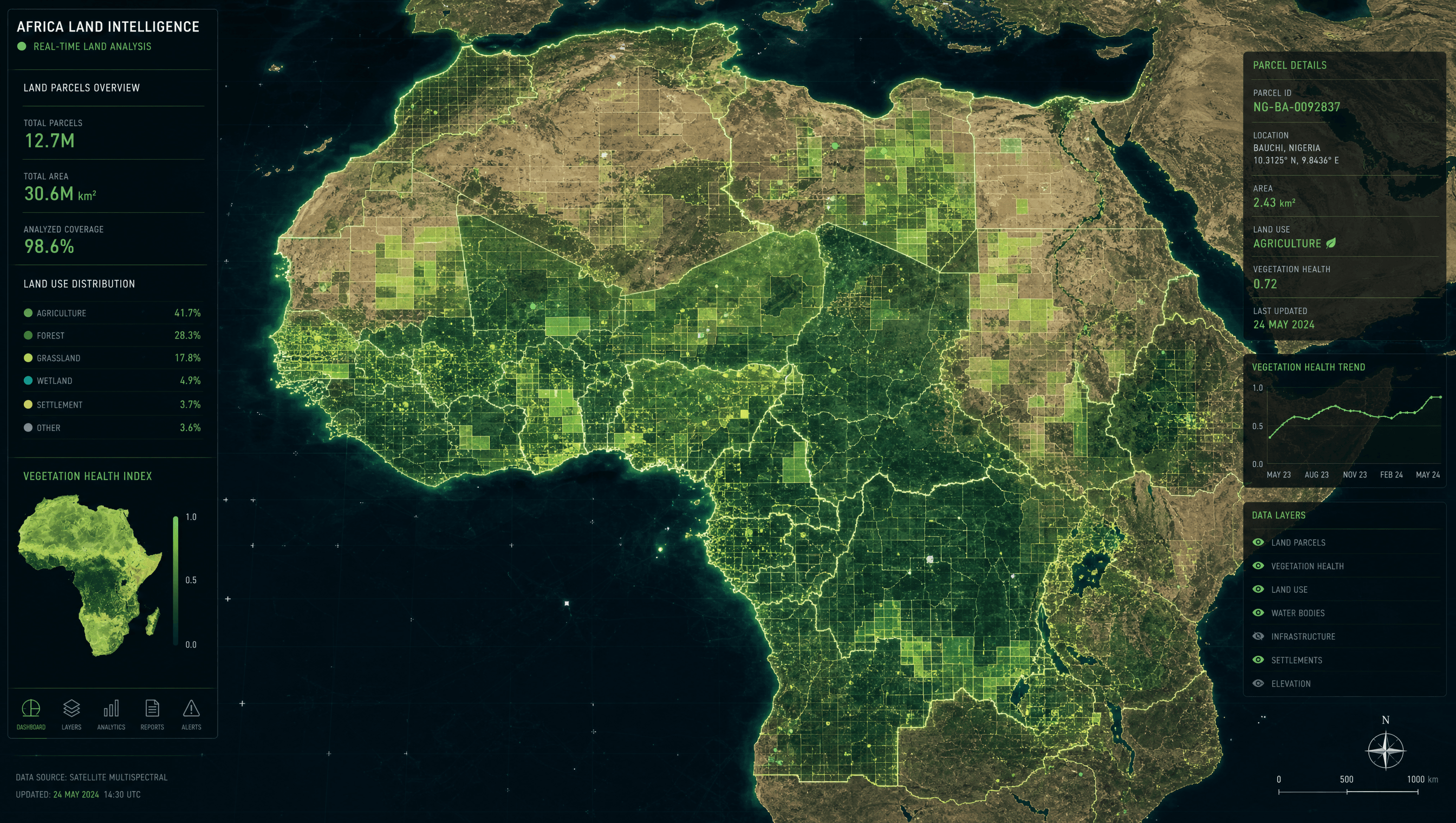
Before resources are allocated, you need an independent answer: does this land actually qualify for a certified carbon project under current standards? We run a rigorous eligibility screen — drawing on satellite data and direct methodology experience — and give you a documented assessment you can build a decision on.

A written eligibility assessment. Clear recommendation on whether to proceed.

Confirm the opportunity exists before committing to it.
02
Full Feasibility Study

A study built to withstand the scrutiny it will face.

Our full feasibility study is structured for the standards required by investors, development finance institutions, and international certification bodies — Verra VCS, Gold Standard, Plan Vivo. It is not a template exercise. It is built on the same methodology we apply to our own projects, by the same people who develop them.

A 70+ page bankable report — land analysis, additionality, carbon potential, risk register, financial projections, and development roadmap. All remote, no site visit.

A study built to withstand the scrutiny it will face.
03
Project Development

For the right projects, we become your partner.

Where the feasibility study confirms a strong opportunity, we offer to lead or co-develop the full project — from Project Design Document through certification, credit sales, technical implementation, and ongoing monitoring. For qualifying projects, we also consider direct capital investment. This stage is only available following a completed feasibility study.

End-to-end development partnership. Capital co-investment for qualifying projects.

For the right projects, we become your partner.
Track record

We assess projects the same way we develop them.

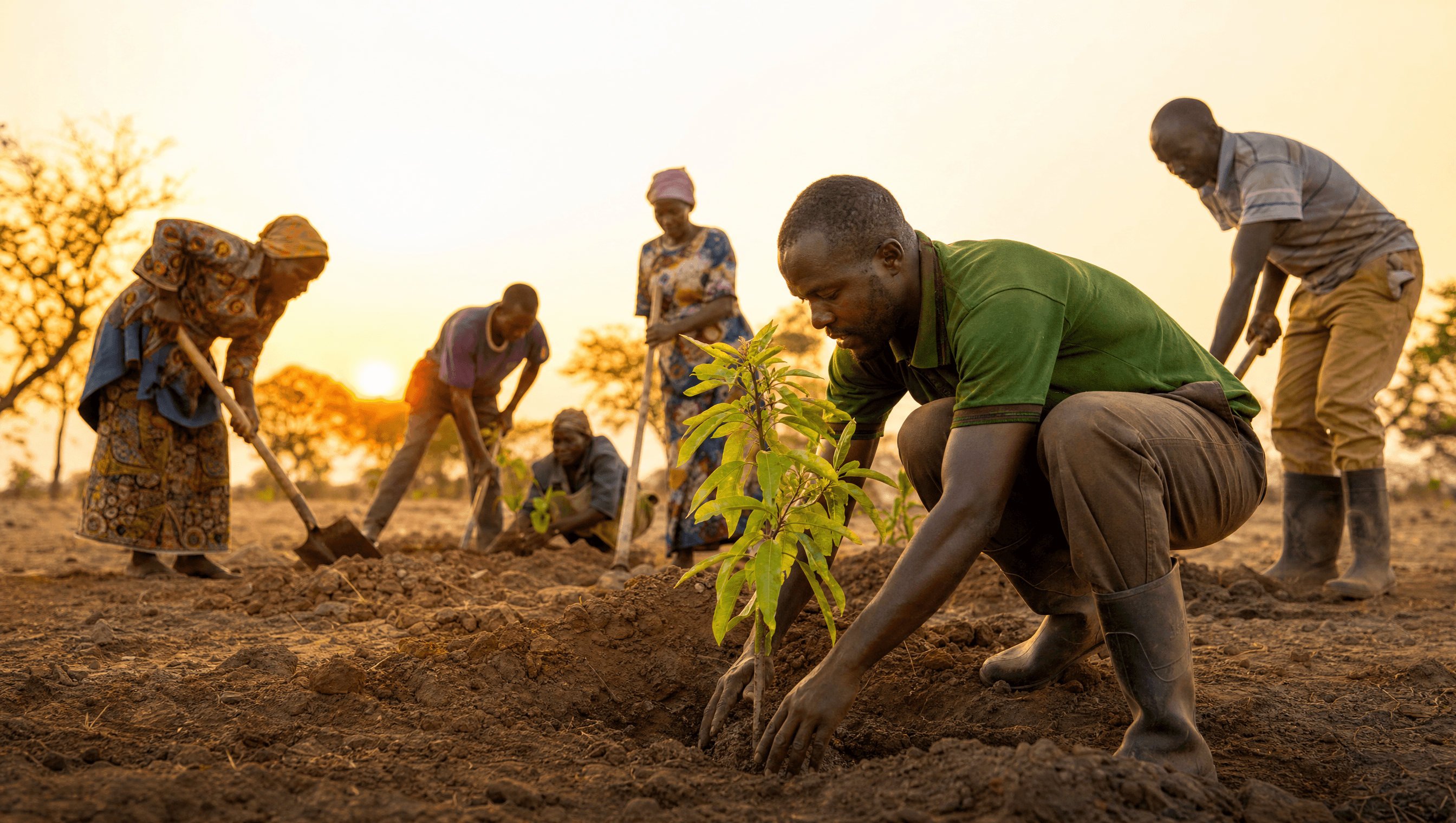
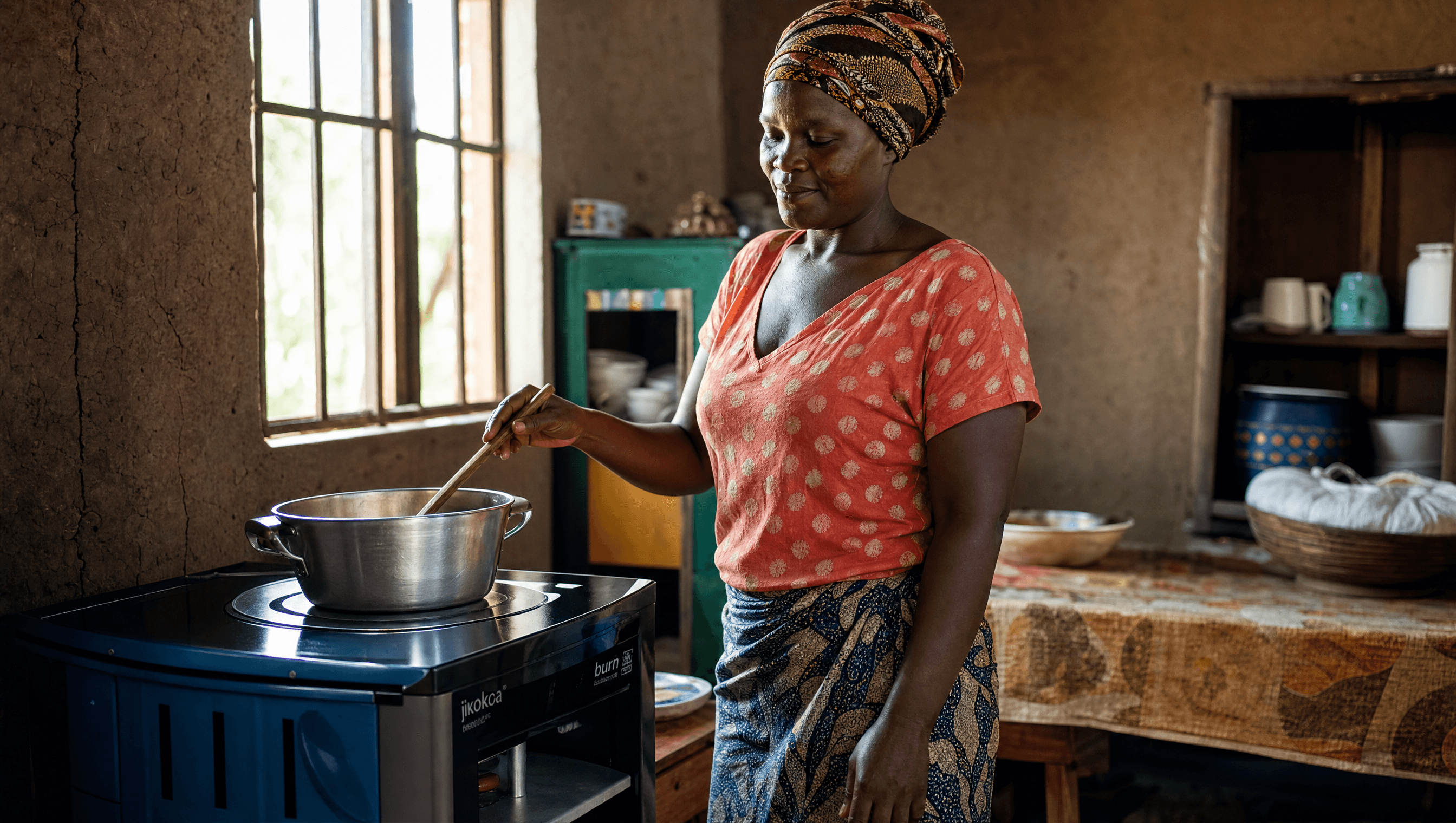
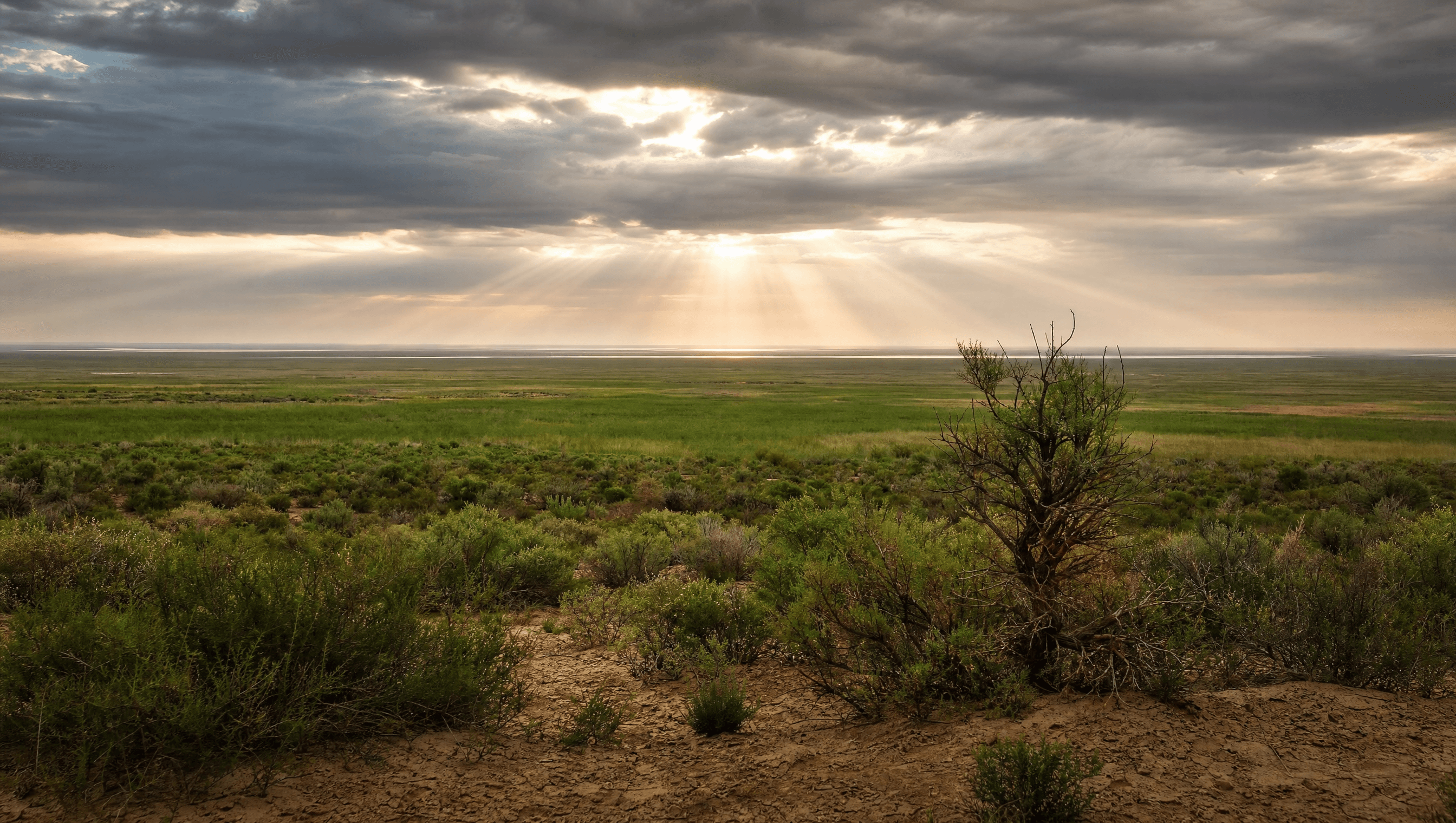
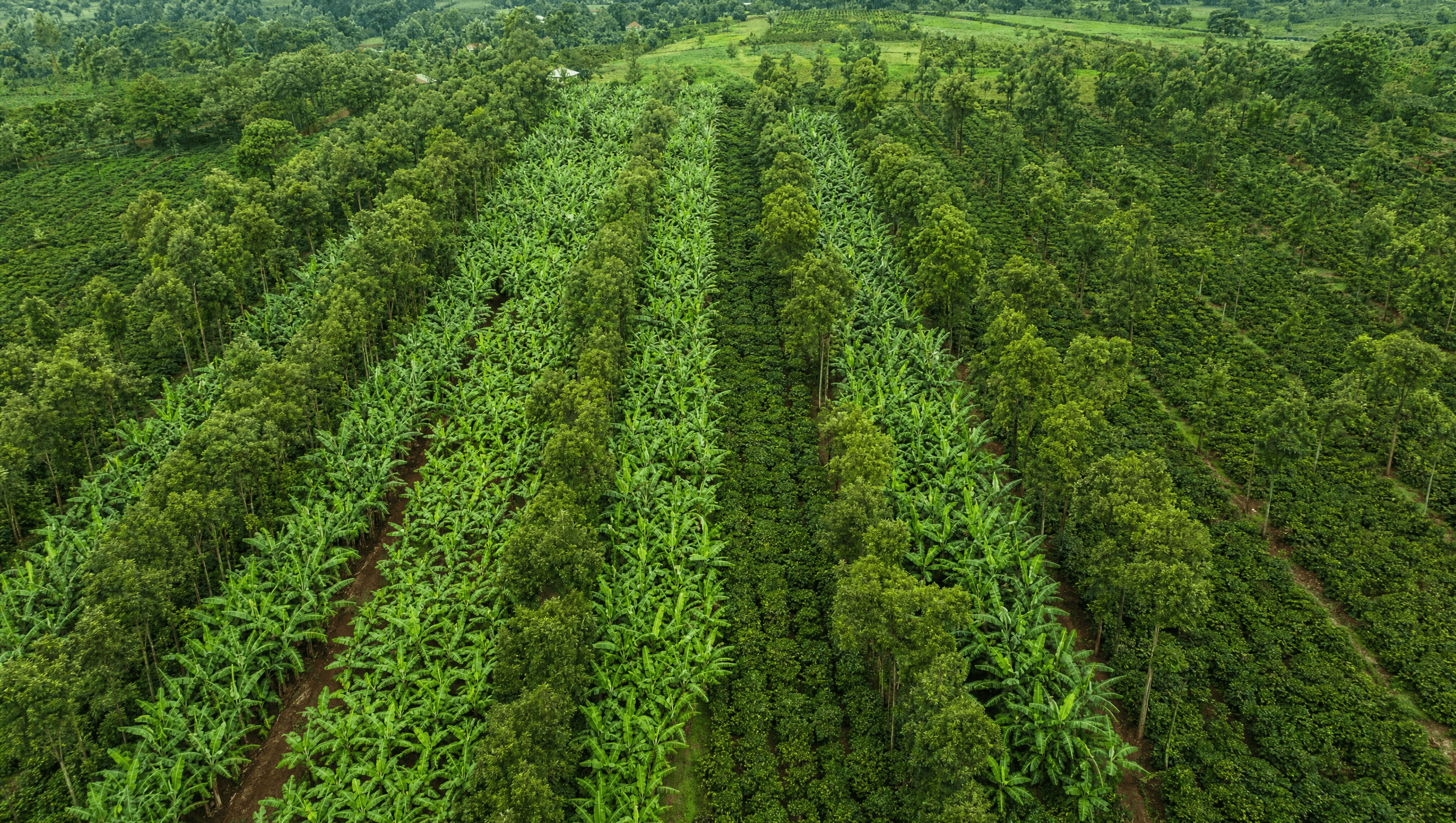
The team behind Feasibility.Earth has developed and certified nature-based carbon projects across four countries. Cookstoves in rural Nigeria. Community agroforestry protecting chimpanzee habitat in Uganda. Afforestation on the restored banks of the Aral Sea in Kazakhstan. Reforestation in the Congo Basin in Cameroon.

When we conduct a feasibility assessment, it reflects how we evaluate projects for our own portfolio — with the same methodology standards we are held to by Verra and Gold Standard auditors.

View our project portfolio
Sauki Clean Cookstoves

Sauki Clean Cookstoves

Nigeria

60,000 credits/yrGold Standard
Bulindi Agroforestry

Bulindi Agroforestry

Uganda

44,000 credits/yrGold Standard
Aral Sea Afforestation

Aral Sea Afforestation

Kazakhstan

31,250 credits/yrVerra VCS
Greenzone Reforestation

Greenzone Reforestation

Cameroon

13,750 credits/yrVerra VCS
Who assesses your project

The people, not the platform.

Every feasibility study is assigned to a practitioner with direct project development experience in the relevant type and geography. Below is the team. These are the people who will review your project — not a software pipeline.

Tell us about your project
NW

Nicholas Wall

Head of Project Feasibility

He has evaluated 100+ carbon project applications and led feasibility work on projects across Nigeria, Uganda, Cameroon, and Kazakhstan. He knows the specific failure modes that certification bodies flag — and catches them at the assessment stage, before they cost you capital.

"The most expensive feasibility mistake is missing an additionality failure that was visible in the land-use data. I have seen it happen on projects that took 18 months and $400K to develop before the error surfaced. We catch it in week one."

Nicholas Wall, Head of Project Feasibility

AA

Angel Daniel Armas

Senior Carbon Analyst

Leads satellite analysis and CO₂ potential modelling. Has validated fNRB assumptions for cookstove projects against regional field data — the single largest source of systematic overcrediting in the market. His analysis is what makes the difference between a study that passes certification review and one that does not.

"The industry average fNRB assumption for cookstove projects is around 80%. Regional field data consistently shows the real figure is 25–35%. That gap means projects issued at industry-standard assumptions are overcrediting by 2–3 times. We use the field data."

Angel Daniel Armas, Senior Carbon Analyst

VK

Vaseem Khan

Remote Sensing & GIS Lead

Responsible for satellite data processing and the carbon stock modelling tools used in all assessments. Has built baseline carbon maps across four countries, giving our team proprietary regional datasets that most desk-based assessors do not have access to.

"Baseline carbon assumptions drive a majority of the variance in credit volume estimates. We do not use global averages. We build baselines from regional data, and we validate them against on-ground measurements where available."

Vaseem Khan, Remote Sensing & GIS Lead

Scope

Four project types. All major standards.

We assess reforestation, agroforestry, ARR, and cookstove projects against Verra VCS, Gold Standard, and Plan Vivo. Each type has distinct methodology requirements. Our team has direct development experience across all four.

Tell us about your project.

We will tell you honestly whether it has merit, what the risks are, and what it would take to develop it. Our team has been through this process — on both sides of the assessment.

Get in touch How we work

Eligibility assessment from $500 · Full feasibility study from $7,500 · Project development by arrangement