Works across major
carbon project types
Feasibility.Earth supports all four main project categories. Eligibility criteria, CO₂ methodologies, and certification standards are built in.
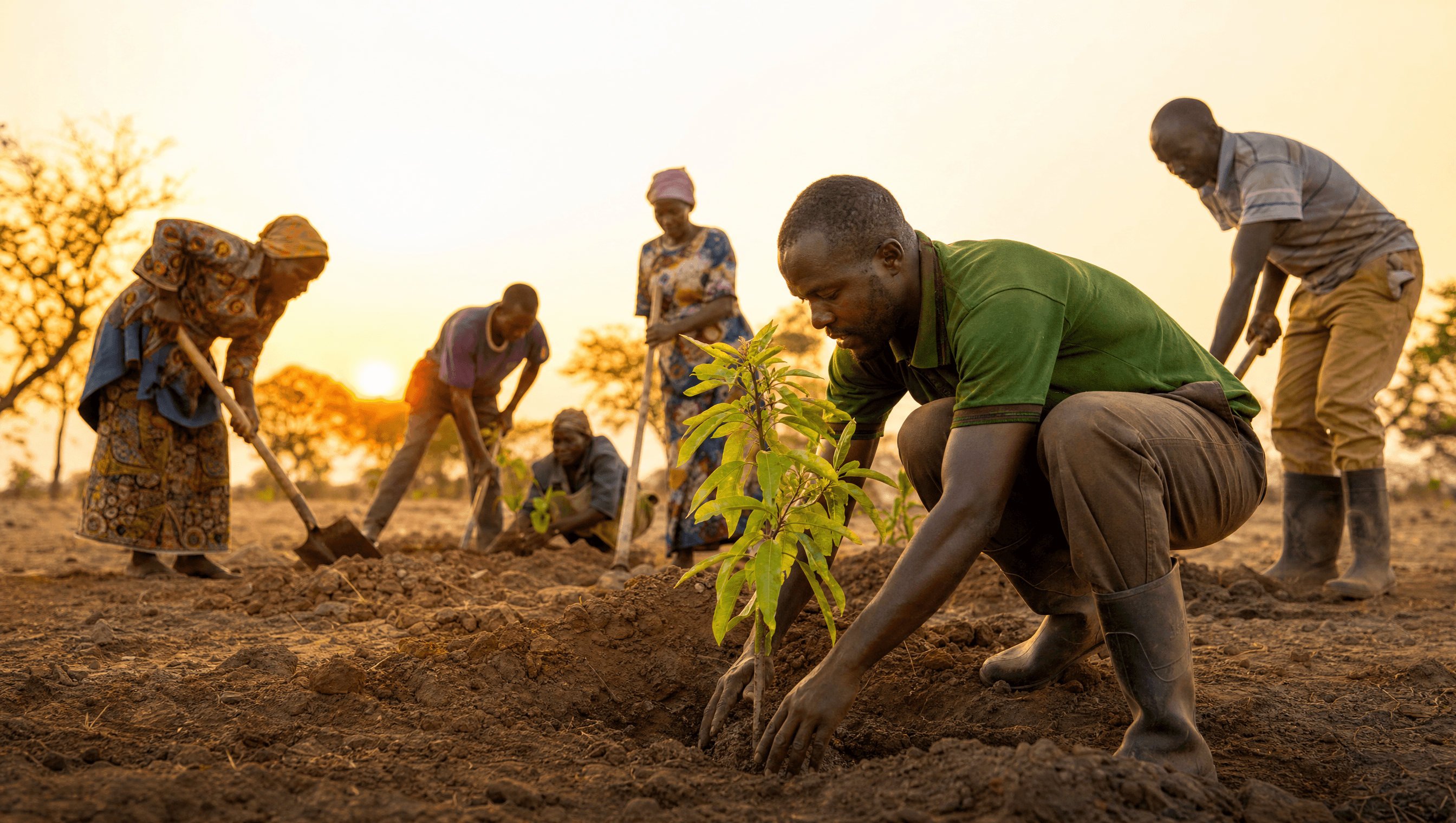
Reforestation
Planting trees on previously deforested or degraded land. Feasibility.Earth checks whether your land qualifies for an Afforestation / Reforestation (A/R) or Improved Forest Management (IFM) methodology.
Suitable for:
Typical CO₂
5–40 tCO₂/ha/yr
Project life
20–100 years
Std. methodology
VM0047 (Verra VCS)
📌 Greenzone Reforestation Project, Congo Basin — est. 13,750 tCO₂e/yr (under development)
Agroforestry
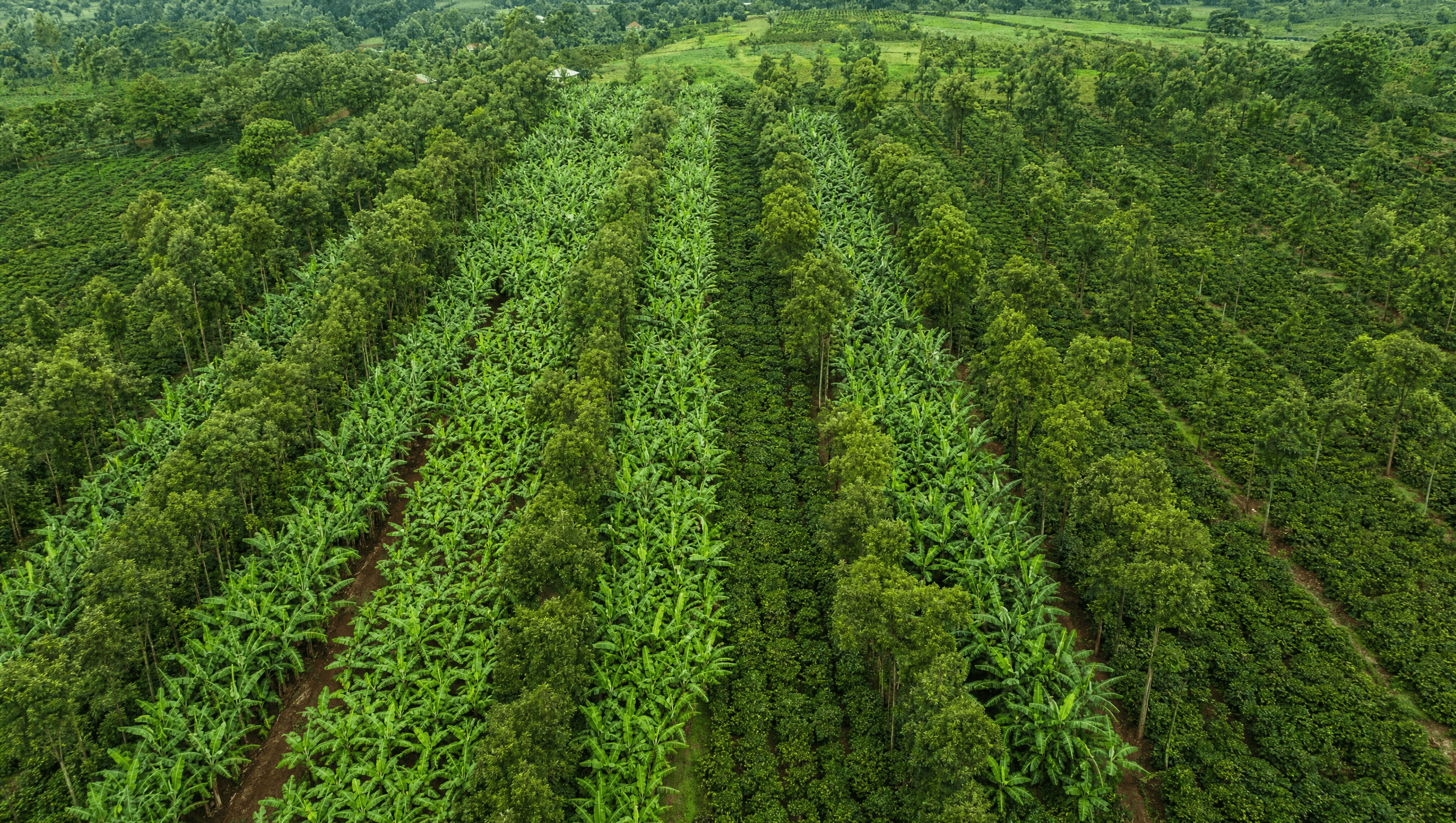
Integrating trees into agricultural and pastoral systems. These projects simultaneously sequester carbon and support farmer livelihoods — often eligible under community-based standards like Plan Vivo.
Suitable for:
Typical CO₂
3–15 tCO₂/ha/yr
Project life
10–30 years
Std. methodology
Plan Vivo Standard
📌 Bulindi Agroforestry & Chimpanzee Conservation, Uganda — est. 44,000 tCO₂e/yr (under development)
ARR Projects
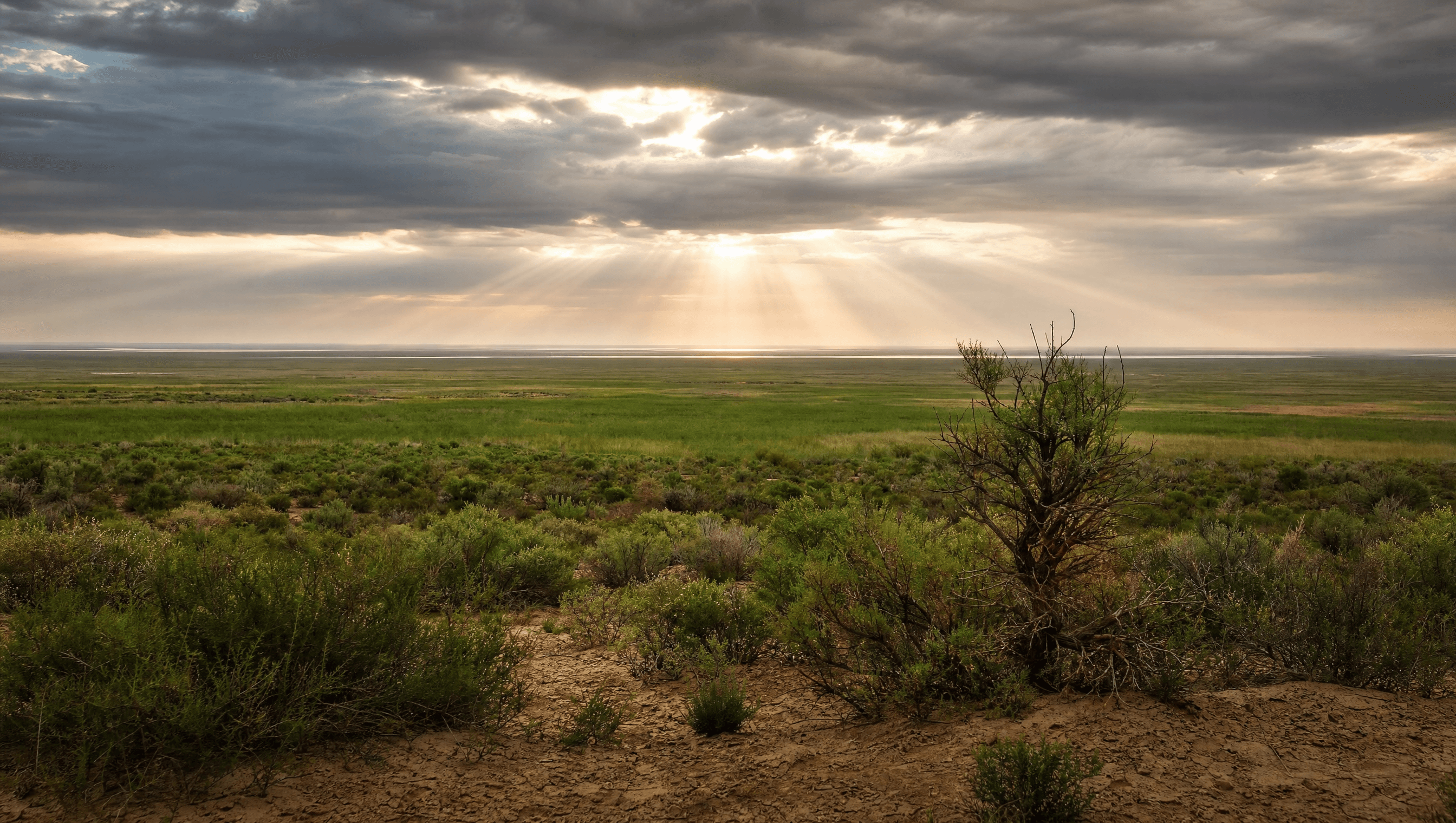
Afforestation, Reforestation, and Revegetation on severely degraded or barren land — including dryland restoration, grassland rehabilitation, and riparian revegetation.
Suitable for:
Typical CO₂
2–20 tCO₂/ha/yr
Project life
20–60 years
Std. methodology
VM0047 (Verra VCS)
📌 Aral Sea Afforestation, Kazakhstan — est. 31,250 tCO₂e/yr from saxaul planting (under development)
Cookstoves
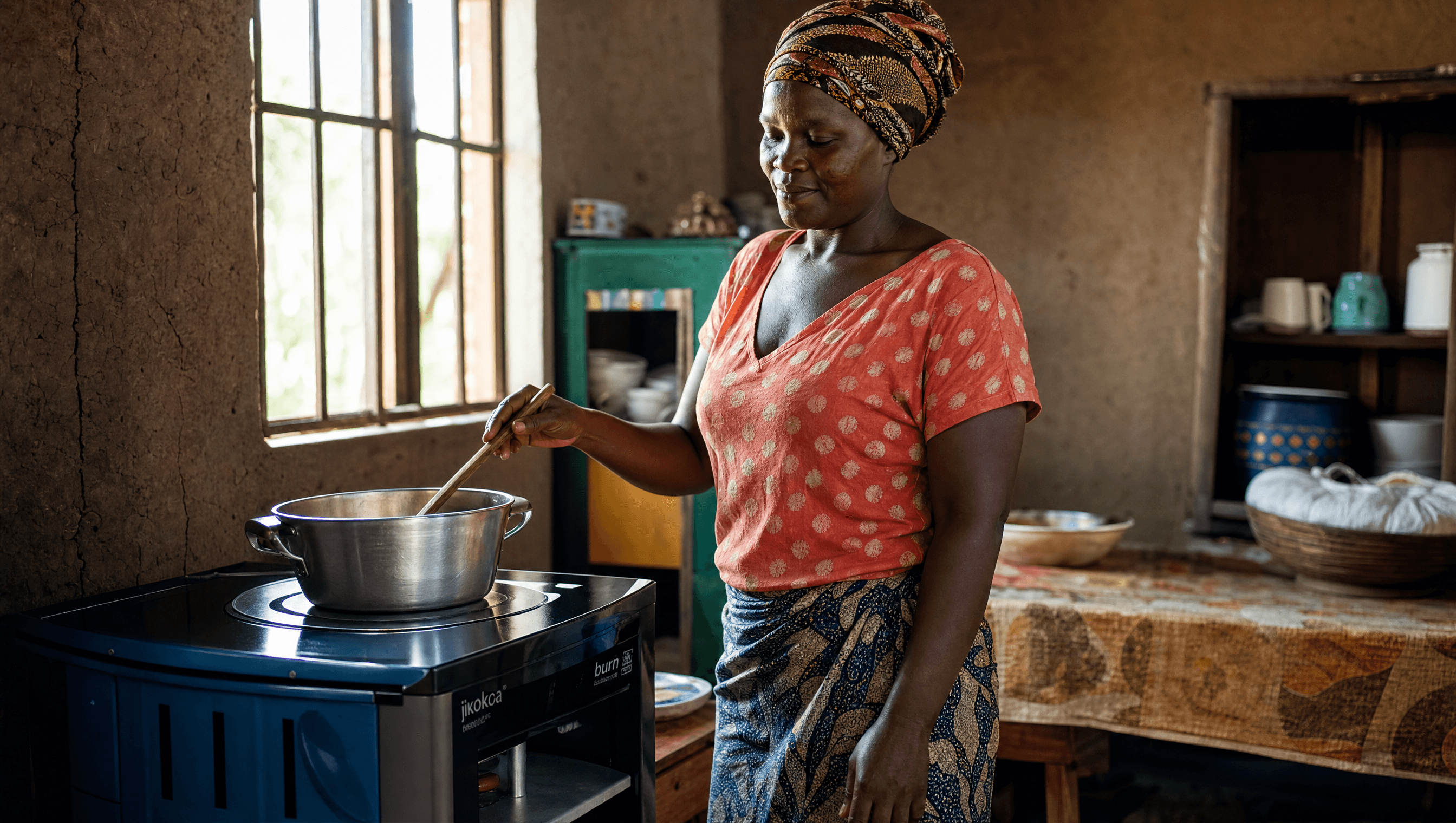
Distributing energy-efficient cookstoves to households that currently cook on open fires or inefficient traditional stoves. Reduces fuel consumption and associated deforestation.
Suitable for:
Typical CO₂
1–3 tCO₂/household/yr
Project life
5–10 years
Std. methodology
GS TPDDTEC · Verra VM0050
📌 Sauki Clean Cookstoves, Nigeria — est. 60,000 tCO₂e/yr from ~40,000 households (under development)
Not sure which type fits?
Submit your land details and we'll determine the right methodology during the eligibility check.
Start a Study →